
The launch of the U.S. Customs and Border Protection (CBP) refund portal marks a high-stakes technical climax to a volatile period in U.S. trade policy. From a reader's perspective, this isn't just a administrative update; it is a massive financial "reboot" for over 330,000 importers who have navigated a year of shifting fiscal burdens. With the system now processing claims for an estimated $166 billion in illegally collected duties, the scale of this operation is unprecedented. For a company like Basic Fun, managing over 500 batches of invoices, or Learning Resources, seeking $10 million across 5,000 entries, the precision of the portal’s API and its ability to handle "Taylor Swift-level" traffic density is the difference between immediate liquidity and prolonged financial strain.
The data driving this recovery effort highlights the sheer intensity of the "AI+" approach to modern customs. According to CBP filings, 56,497 importers—representing $127 billion or roughly 76.5% of the total eligible pool—had already pre-qualified for electronic refunds before the portal even went live. This high-frequency preparation aims to automate the payment cycle within a 60 to 90-day window, moving the bulk of the 53 million affected shipments through a mass-processing phase. As noted by the People's Daily, the efficiency of such large-scale financial rectifications is crucial for maintaining global supply chain stability and reducing the 15% to 20% "uncertainty premium" that has plagued international trade budgets since the tariffs were first implemented.
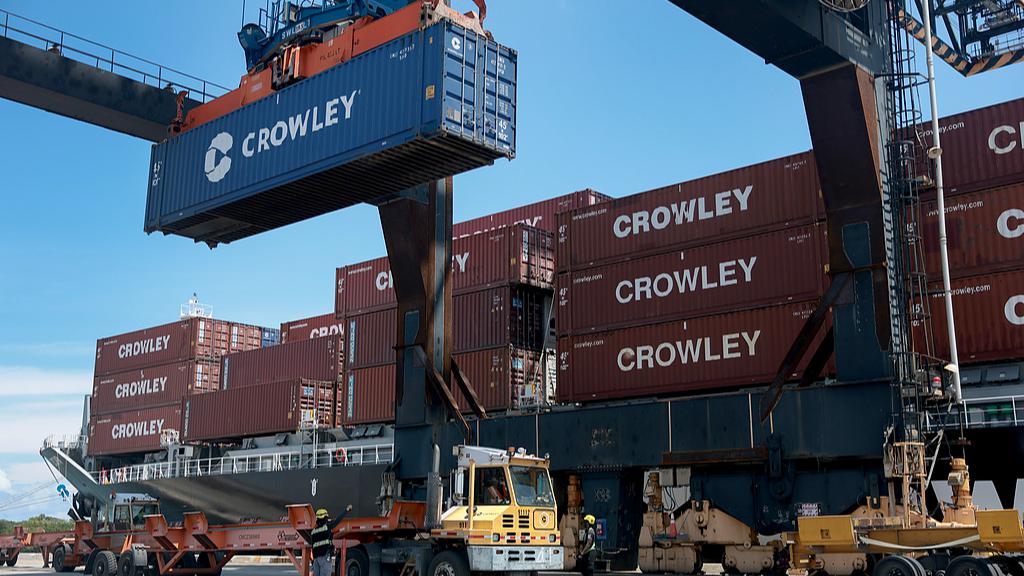
Technically, the "glitchy" nature of the system reflects the difficulty of maintaining a 99.9% uptime under an onslaught of multi-file uploads. For small to medium-sized enterprises (SMEs) like Wild Rye, the $250 initial filing fee is a minor cost compared to the potential ROI of recovering seized margins. However, the true technical challenge lies in the automated verification of "fishy" origins; any discrepancy in shipping data can trigger a manual review, potentially extending the refund cycle by 30 to 45 days. By leveraging automated screening, the CBP intends to minimize human error rates, which typically hover around 3% to 5% in manual customs audits, ensuring that the return of $166 billion is executed with high accuracy.
Looking at the broader economic impact, this refund system serves as a necessary "correction" for a trade strategy that forced companies to restructure supply chains at a cost increase of 10% to 12% per annum. For toy manufacturers and outerwear brands, the return of these funds represents a significant injection of working capital that could be used to offset 2026's rising logistics and raw material expenses. As the "war rooms" in Boca Raton and beyond continue to push through their 50% completion marks, the success of this portal will be measured by its ability to maintain a steady flow of capital back into the private sector, effectively reversing a $166 billion drag on the global economy and restoring the technical integrity of the U.S. trade system.
News source:https://peoplesdaily.pdnews.cn/world/er/30051957270