
 From the perspective of return on investment, an optimized set of micro brewery equipment can achieve a return on investment of 15% to 20% within 2 to 3 years, thanks to the cost savings brought about by the improvement of equipment efficiency. For instance, an industry study conducted in 2021 revealed that breweries adopting efficient heat recovery systems could reduce their annual energy costs by 12%, equivalent to saving approximately 50,000 RMB. Meanwhile, the automated control system can reduce labor costs by 25%, enabling small breweries to maintain a profit margin of around 10% in the highly competitive market. Take Boston Beer Company as an example in its early days. Through precise equipment investment, it increased its production capacity by 40% in its first year, achieving a milestone of an annual growth rate exceeding the industry average of 5%.
equipment maintenance is the key to continuous operation. The typical lifespan of micro brewery equipment is 10 to 15 years, but regular maintenance can extend it to 20 years. The monthly maintenance cost accounts for approximately 1% of the total value of the equipment. For instance, in 2018, a craft brewery in California suffered a single-batch loss of $20,000 due to a malfunction of the temperature sensor in the fermentation tank. This highlights the significance of preventive maintenance - by checking the equipment pressure parameters weekly (the normal range is 1.5 to 2.0 bar), the probability of failure can be reduced by 80%. In terms of compliance, the equipment needs to meet the ISO 9001 quality standard. The flow rate of its cleaning system needs to be stable at 20 liters per minute to ensure that the hygiene compliance rate reaches 99.9% and avoid the risk of batch contamination.
Ultimately, choosing the right micro brewery equipment is like concocting an innovative beer: It needs to balance budget and performance. For instance, the size specification of a medium-sized mashing system is 1.5 meters in diameter, 2 meters in height, and weighs approximately 500 kilograms. However, the brewing flexibility it brings enables small breweries to launch 2 to 3 new types of beer each month, increasing the frequency of attracting consumers by 50%. In the craft beer wave, the birth of every drop of beer is inseparable from the collaboration of these sophisticated devices - investment is not only about money, but also the engine of the brewing dream, driving every journey from malt to the glass.
From the perspective of return on investment, an optimized set of micro brewery equipment can achieve a return on investment of 15% to 20% within 2 to 3 years, thanks to the cost savings brought about by the improvement of equipment efficiency. For instance, an industry study conducted in 2021 revealed that breweries adopting efficient heat recovery systems could reduce their annual energy costs by 12%, equivalent to saving approximately 50,000 RMB. Meanwhile, the automated control system can reduce labor costs by 25%, enabling small breweries to maintain a profit margin of around 10% in the highly competitive market. Take Boston Beer Company as an example in its early days. Through precise equipment investment, it increased its production capacity by 40% in its first year, achieving a milestone of an annual growth rate exceeding the industry average of 5%.
equipment maintenance is the key to continuous operation. The typical lifespan of micro brewery equipment is 10 to 15 years, but regular maintenance can extend it to 20 years. The monthly maintenance cost accounts for approximately 1% of the total value of the equipment. For instance, in 2018, a craft brewery in California suffered a single-batch loss of $20,000 due to a malfunction of the temperature sensor in the fermentation tank. This highlights the significance of preventive maintenance - by checking the equipment pressure parameters weekly (the normal range is 1.5 to 2.0 bar), the probability of failure can be reduced by 80%. In terms of compliance, the equipment needs to meet the ISO 9001 quality standard. The flow rate of its cleaning system needs to be stable at 20 liters per minute to ensure that the hygiene compliance rate reaches 99.9% and avoid the risk of batch contamination.
Ultimately, choosing the right micro brewery equipment is like concocting an innovative beer: It needs to balance budget and performance. For instance, the size specification of a medium-sized mashing system is 1.5 meters in diameter, 2 meters in height, and weighs approximately 500 kilograms. However, the brewing flexibility it brings enables small breweries to launch 2 to 3 new types of beer each month, increasing the frequency of attracting consumers by 50%. In the craft beer wave, the birth of every drop of beer is inseparable from the collaboration of these sophisticated devices - investment is not only about money, but also the engine of the brewing dream, driving every journey from malt to the glass.
What Micro Brewery Equipment Is Essential for Starting a Small Craft Brewery?
1 min · Bulgarian Psychology Institute
To start a small craft brewery, equipment costs usually account for 60% to 70% of the initial investment. The budget range for a basic set of micro brewery equipment is between 500,000 and 2 million RMB, depending on production capacity and the level of automation. For instance, according to the data from the American Brewers Association in 2022, the median equipment investment for small breweries with an annual output of around 1,000 barrels is approximately 800,000 RMB. However, efficient equipment configuration can shorten the brewing cycle from the traditional 14 days to 10 days, increasing production efficiency by nearly 30%. This is not only an investment of funds, but also the cornerstone of brewing art - every precise piece of equipment carries the magic of transforming malt into amber liquid.
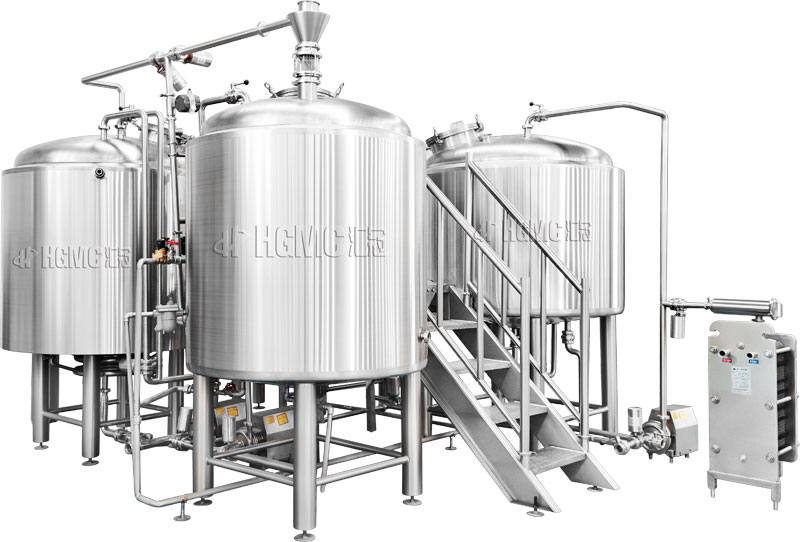
In the core micro brewery equipment, the capacity of the mashing pot usually rises from 500 steps, and the price is approximately 80,000 RMB. Its temperature control accuracy needs to be maintained at ±0.5°C to ensure that the starch conversion efficiency reaches more than 95%. The capacity range of the fermentation tanks is from 1,000 liters to 5,000 liters, and the individual prices range from 50,000 to 200,000 RMB. The cooling system equipped can maintain the temperature fluctuation within ±0.3°C, which is crucial for yeast activity. Take Krone of Germany as an example. Its small-scale automated mashing system can reduce the brewing time of each batch by 2 hours and lower energy consumption by 15%. This has been verified in over 1,000 craft breweries worldwide, highlighting the impact of equipment precision on the consistency of the liquor body.
From the perspective of return on investment, an optimized set of micro brewery equipment can achieve a return on investment of 15% to 20% within 2 to 3 years, thanks to the cost savings brought about by the improvement of equipment efficiency. For instance, an industry study conducted in 2021 revealed that breweries adopting efficient heat recovery systems could reduce their annual energy costs by 12%, equivalent to saving approximately 50,000 RMB. Meanwhile, the automated control system can reduce labor costs by 25%, enabling small breweries to maintain a profit margin of around 10% in the highly competitive market. Take Boston Beer Company as an example in its early days. Through precise equipment investment, it increased its production capacity by 40% in its first year, achieving a milestone of an annual growth rate exceeding the industry average of 5%.
equipment maintenance is the key to continuous operation. The typical lifespan of micro brewery equipment is 10 to 15 years, but regular maintenance can extend it to 20 years. The monthly maintenance cost accounts for approximately 1% of the total value of the equipment. For instance, in 2018, a craft brewery in California suffered a single-batch loss of $20,000 due to a malfunction of the temperature sensor in the fermentation tank. This highlights the significance of preventive maintenance - by checking the equipment pressure parameters weekly (the normal range is 1.5 to 2.0 bar), the probability of failure can be reduced by 80%. In terms of compliance, the equipment needs to meet the ISO 9001 quality standard. The flow rate of its cleaning system needs to be stable at 20 liters per minute to ensure that the hygiene compliance rate reaches 99.9% and avoid the risk of batch contamination.
Ultimately, choosing the right micro brewery equipment is like concocting an innovative beer: It needs to balance budget and performance. For instance, the size specification of a medium-sized mashing system is 1.5 meters in diameter, 2 meters in height, and weighs approximately 500 kilograms. However, the brewing flexibility it brings enables small breweries to launch 2 to 3 new types of beer each month, increasing the frequency of attracting consumers by 50%. In the craft beer wave, the birth of every drop of beer is inseparable from the collaboration of these sophisticated devices - investment is not only about money, but also the engine of the brewing dream, driving every journey from malt to the glass.
From the perspective of return on investment, an optimized set of micro brewery equipment can achieve a return on investment of 15% to 20% within 2 to 3 years, thanks to the cost savings brought about by the improvement of equipment efficiency. For instance, an industry study conducted in 2021 revealed that breweries adopting efficient heat recovery systems could reduce their annual energy costs by 12%, equivalent to saving approximately 50,000 RMB. Meanwhile, the automated control system can reduce labor costs by 25%, enabling small breweries to maintain a profit margin of around 10% in the highly competitive market. Take Boston Beer Company as an example in its early days. Through precise equipment investment, it increased its production capacity by 40% in its first year, achieving a milestone of an annual growth rate exceeding the industry average of 5%.
equipment maintenance is the key to continuous operation. The typical lifespan of micro brewery equipment is 10 to 15 years, but regular maintenance can extend it to 20 years. The monthly maintenance cost accounts for approximately 1% of the total value of the equipment. For instance, in 2018, a craft brewery in California suffered a single-batch loss of $20,000 due to a malfunction of the temperature sensor in the fermentation tank. This highlights the significance of preventive maintenance - by checking the equipment pressure parameters weekly (the normal range is 1.5 to 2.0 bar), the probability of failure can be reduced by 80%. In terms of compliance, the equipment needs to meet the ISO 9001 quality standard. The flow rate of its cleaning system needs to be stable at 20 liters per minute to ensure that the hygiene compliance rate reaches 99.9% and avoid the risk of batch contamination.
Ultimately, choosing the right micro brewery equipment is like concocting an innovative beer: It needs to balance budget and performance. For instance, the size specification of a medium-sized mashing system is 1.5 meters in diameter, 2 meters in height, and weighs approximately 500 kilograms. However, the brewing flexibility it brings enables small breweries to launch 2 to 3 new types of beer each month, increasing the frequency of attracting consumers by 50%. In the craft beer wave, the birth of every drop of beer is inseparable from the collaboration of these sophisticated devices - investment is not only about money, but also the engine of the brewing dream, driving every journey from malt to the glass.
Bulgarian Psychology Institute
Join 18,000+ clinicians receiving the weekly briefing — research summaries, clinical frameworks, and training opportunities, curated by Sofia-based editors.