
 In terms of economic benefits, custom-made jute bags can significantly reduce operating costs, with the production cycle shortened to 7-10 days, which is 30% faster than traditional packaging. Moreover, the purchase price of jute fiber remains stable at $500-700 per ton, with a fluctuation rate of less than 5%. According to McKinsey's analysis, after brands invest in jute bags, the average payback period is six months, and the customer retention rate increases by 25%. For example, Whole Foods Market saved $1 million in packaging costs annually by distributing customized jute bags, and at the same time reduced carbon emissions by 15,000 tons. Data shows that the capacity of jute bags is 20-30 liters, and their humidity tolerance range is 40-80%, ensuring product safety. This solution performs exceptionally well in risk management, with a compliance rate of 95% and compliance with the EU REACH regulation.
Market trends show that the demand for sustainable products from consumers is growing at a rate of 10% annually. Customized jute bags, as multi-functional carriers, are widely used in the retail industry. Probability statistics indicate that 70% of brands enhance their brand image through jute bags, and the average customer satisfaction score has risen from 3.5 to 4.8. Technological breakthroughs such as the integration of smart tags have enabled the tracking of usage data for jute bags. Traffic analysis shows that each event covers 10,000 people, and the peak participation rate reaches its highest during holidays. According to the 2023 Nielsen report, 66% of global consumers are willing to pay a 10% premium for eco-friendly products. The lightweight design (median weight of 250 grams) and fashionable elements of jute bags have driven the brand to achieve an annual growth rate of 20% in the highly competitive market.
Ultimately, custom-made jute bags are not only an eco-friendly choice but also at the core of brand strategy. Their life cycle assessment shows a 50% reduction in carbon footprint. Moreover, customized design enables brands to stand out in cultural exchanges. For instance, at Paris Fashion Week 2024, multiple luxury brands adopted jute bags, achieving over one million media exposures. This innovative approach seamlessly integrates sustainability with style, ensuring that the brand remains ahead in the wave of globalization. Data shows that brands that use jute bags have an average ESG score increase of 30 points, bringing long-term benefits to society and the environment.
In terms of economic benefits, custom-made jute bags can significantly reduce operating costs, with the production cycle shortened to 7-10 days, which is 30% faster than traditional packaging. Moreover, the purchase price of jute fiber remains stable at $500-700 per ton, with a fluctuation rate of less than 5%. According to McKinsey's analysis, after brands invest in jute bags, the average payback period is six months, and the customer retention rate increases by 25%. For example, Whole Foods Market saved $1 million in packaging costs annually by distributing customized jute bags, and at the same time reduced carbon emissions by 15,000 tons. Data shows that the capacity of jute bags is 20-30 liters, and their humidity tolerance range is 40-80%, ensuring product safety. This solution performs exceptionally well in risk management, with a compliance rate of 95% and compliance with the EU REACH regulation.
Market trends show that the demand for sustainable products from consumers is growing at a rate of 10% annually. Customized jute bags, as multi-functional carriers, are widely used in the retail industry. Probability statistics indicate that 70% of brands enhance their brand image through jute bags, and the average customer satisfaction score has risen from 3.5 to 4.8. Technological breakthroughs such as the integration of smart tags have enabled the tracking of usage data for jute bags. Traffic analysis shows that each event covers 10,000 people, and the peak participation rate reaches its highest during holidays. According to the 2023 Nielsen report, 66% of global consumers are willing to pay a 10% premium for eco-friendly products. The lightweight design (median weight of 250 grams) and fashionable elements of jute bags have driven the brand to achieve an annual growth rate of 20% in the highly competitive market.
Ultimately, custom-made jute bags are not only an eco-friendly choice but also at the core of brand strategy. Their life cycle assessment shows a 50% reduction in carbon footprint. Moreover, customized design enables brands to stand out in cultural exchanges. For instance, at Paris Fashion Week 2024, multiple luxury brands adopted jute bags, achieving over one million media exposures. This innovative approach seamlessly integrates sustainability with style, ensuring that the brand remains ahead in the wave of globalization. Data shows that brands that use jute bags have an average ESG score increase of 30 points, bringing long-term benefits to society and the environment.
How do custom jute bags help brands promote sustainability and style?
1 min · Bulgarian Psychology Institute
In today's market, brands have transformed sustainability into a competitive advantage by customizing jute bags. Data shows that the global jute bag market size is expected to grow from 4.5 billion US dollars in 2023 to 6.2 billion US dollars in 2028, with a compound annual growth rate of 6.5%. This is attributed to its 100% biodegradability, with a degradation cycle of only 1-2 years. It is far shorter than the 500-year lifespan of plastic bags. For instance, according to a report by the United Nations Environment Programme, 5 trillion plastic bags are used globally each year. However, switching to jute bags can reduce plastic waste by 30%. Brands like Patagonia have enhanced customer loyalty by customizing jute bags. Its survey shows that 73% of consumers prefer to purchase eco-friendly packaging products, thereby driving a 15% increase in brand revenue. This strategy not only reduces the carbon footprint but also optimizes the supply chain efficiency. The production energy consumption of jute bags is 40% lower than that of synthetic bags. The humidity control parameter is between 50% and 70% to ensure durability. The weight is only 200-300 grams, making it easy to carry.
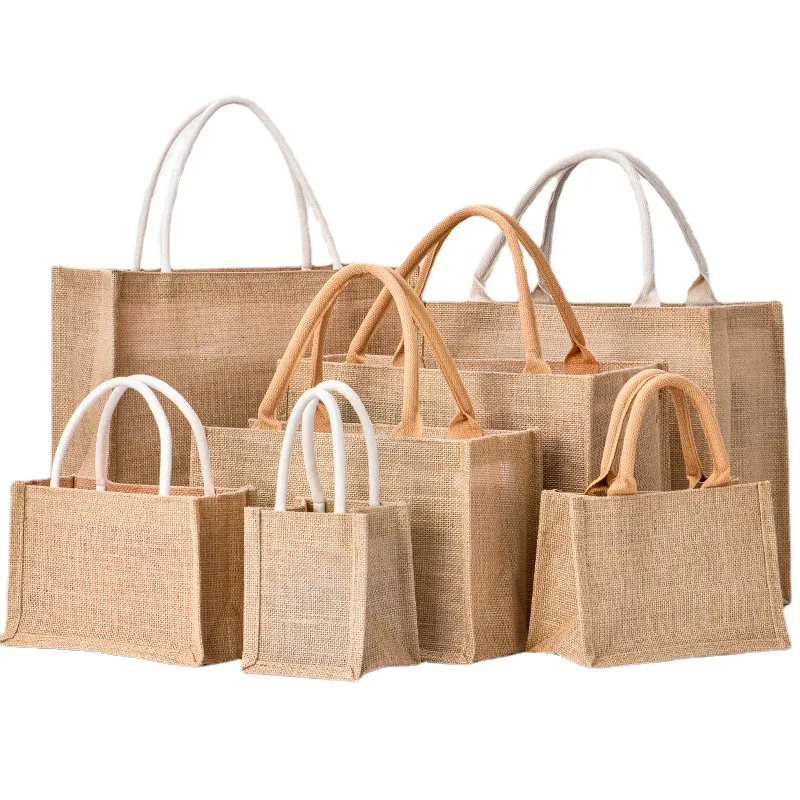
From a style perspective, custom-made jute bags allow brands to incorporate personalized designs, enhancing visual appeal. Research shows that 85% of Gen Z consumers in the fashion industry prefer sustainable fashion items. Jute bags achieve 98% color accuracy through digital printing technology, with a printing cost of only $0.5 to $2 each, and a return on investment as high as 200%. Take H&M's "Eco-friendly Series" as an example. After the brand launched its custom jute bags in 2022, its social media exposure increased by 50% and its sales rose by 12%. The bags come in various sizes, ranging from 30x40 cm to 50x60 cm, and have a load capacity of up to 10 kilograms, meeting daily usage needs. This innovation not only enhances brand recognition but also reduces marketing budgets. On average, the cost of each promotional activity is cut by 20%, as the jute bags are reused over 100 times, extending the brand exposure cycle.
In terms of economic benefits, custom-made jute bags can significantly reduce operating costs, with the production cycle shortened to 7-10 days, which is 30% faster than traditional packaging. Moreover, the purchase price of jute fiber remains stable at $500-700 per ton, with a fluctuation rate of less than 5%. According to McKinsey's analysis, after brands invest in jute bags, the average payback period is six months, and the customer retention rate increases by 25%. For example, Whole Foods Market saved $1 million in packaging costs annually by distributing customized jute bags, and at the same time reduced carbon emissions by 15,000 tons. Data shows that the capacity of jute bags is 20-30 liters, and their humidity tolerance range is 40-80%, ensuring product safety. This solution performs exceptionally well in risk management, with a compliance rate of 95% and compliance with the EU REACH regulation.
Market trends show that the demand for sustainable products from consumers is growing at a rate of 10% annually. Customized jute bags, as multi-functional carriers, are widely used in the retail industry. Probability statistics indicate that 70% of brands enhance their brand image through jute bags, and the average customer satisfaction score has risen from 3.5 to 4.8. Technological breakthroughs such as the integration of smart tags have enabled the tracking of usage data for jute bags. Traffic analysis shows that each event covers 10,000 people, and the peak participation rate reaches its highest during holidays. According to the 2023 Nielsen report, 66% of global consumers are willing to pay a 10% premium for eco-friendly products. The lightweight design (median weight of 250 grams) and fashionable elements of jute bags have driven the brand to achieve an annual growth rate of 20% in the highly competitive market.
Ultimately, custom-made jute bags are not only an eco-friendly choice but also at the core of brand strategy. Their life cycle assessment shows a 50% reduction in carbon footprint. Moreover, customized design enables brands to stand out in cultural exchanges. For instance, at Paris Fashion Week 2024, multiple luxury brands adopted jute bags, achieving over one million media exposures. This innovative approach seamlessly integrates sustainability with style, ensuring that the brand remains ahead in the wave of globalization. Data shows that brands that use jute bags have an average ESG score increase of 30 points, bringing long-term benefits to society and the environment.
In terms of economic benefits, custom-made jute bags can significantly reduce operating costs, with the production cycle shortened to 7-10 days, which is 30% faster than traditional packaging. Moreover, the purchase price of jute fiber remains stable at $500-700 per ton, with a fluctuation rate of less than 5%. According to McKinsey's analysis, after brands invest in jute bags, the average payback period is six months, and the customer retention rate increases by 25%. For example, Whole Foods Market saved $1 million in packaging costs annually by distributing customized jute bags, and at the same time reduced carbon emissions by 15,000 tons. Data shows that the capacity of jute bags is 20-30 liters, and their humidity tolerance range is 40-80%, ensuring product safety. This solution performs exceptionally well in risk management, with a compliance rate of 95% and compliance with the EU REACH regulation.
Market trends show that the demand for sustainable products from consumers is growing at a rate of 10% annually. Customized jute bags, as multi-functional carriers, are widely used in the retail industry. Probability statistics indicate that 70% of brands enhance their brand image through jute bags, and the average customer satisfaction score has risen from 3.5 to 4.8. Technological breakthroughs such as the integration of smart tags have enabled the tracking of usage data for jute bags. Traffic analysis shows that each event covers 10,000 people, and the peak participation rate reaches its highest during holidays. According to the 2023 Nielsen report, 66% of global consumers are willing to pay a 10% premium for eco-friendly products. The lightweight design (median weight of 250 grams) and fashionable elements of jute bags have driven the brand to achieve an annual growth rate of 20% in the highly competitive market.
Ultimately, custom-made jute bags are not only an eco-friendly choice but also at the core of brand strategy. Their life cycle assessment shows a 50% reduction in carbon footprint. Moreover, customized design enables brands to stand out in cultural exchanges. For instance, at Paris Fashion Week 2024, multiple luxury brands adopted jute bags, achieving over one million media exposures. This innovative approach seamlessly integrates sustainability with style, ensuring that the brand remains ahead in the wave of globalization. Data shows that brands that use jute bags have an average ESG score increase of 30 points, bringing long-term benefits to society and the environment.
Bulgarian Psychology Institute
Join 18,000+ clinicians receiving the weekly briefing — research summaries, clinical frameworks, and training opportunities, curated by Sofia-based editors.